Editorial Disclosure: This post may contain affiliate links or sponsored content. All opinions are my own, and I only recommend products I personally use or believe may be valuable to my readers. Read Full Disclosures →
By Janin | Updated on May 22, 2026
If you’ve ever searched for natural ways to grow thicker, healthier hair, chances are you’ve come across castor oil.
And if you’ve spent any time reading beauty blogs, watching YouTube videos, or scrolling through social media, you’ve probably seen some pretty impressive before-and-after photos.
People claim castor oil can:
- Grow longer hair
- Thicken thinning hair
- Strengthen eyelashes
- Improve eyebrows
- Reduce hair shedding
Sounds amazing, right?
But does castor oil actually work, or is it just another beauty trend that took on a life of its own?
Let’s take a closer look.
What Is Castor Oil?
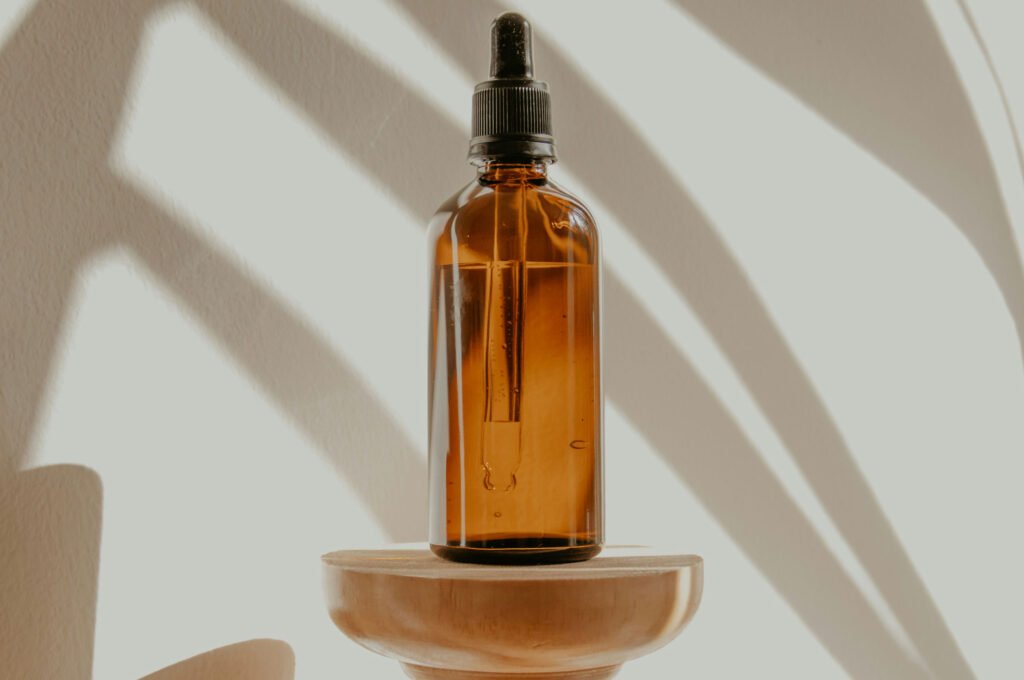
Castor oil comes from the seeds of the castor plant.
It’s a thick, nutrient-rich oil that has been used for centuries in various beauty and wellness practices.
One thing you’ll notice immediately if you’ve never used it before:
It’s thick.
Very thick.
In fact, the first time I tried it, I remember thinking it felt more like honey than oil!
Because of its texture, many people choose to mix it with lighter oils before applying it to their hair or scalp.
Why Do People Use Castor Oil for Hair Growth?
One reason castor oil became so popular is because it’s rich in fatty acids and contains compounds that help moisturize both the scalp and hair.
Supporters believe it may help:
- Reduce hair breakage
- Improve scalp health
- Strengthen hair strands
- Create the appearance of thicker hair
However, it’s important to know that scientific research directly proving castor oil causes significant hair growth is still limited.
That doesn’t mean it doesn’t help—it simply means we don’t yet have strong scientific evidence showing that it directly stimulates new hair growth.
So Why Do So Many People Swear By It?
There are a few possible explanations.
It Helps Reduce Breakage
Sometimes hair isn’t struggling to grow.
Sometimes it’s growing just fine but breaking before it can get longer.
Because castor oil helps moisturize and protect hair strands, it may reduce breakage, allowing hair to retain more length over time.
It Supports Scalp Health
Healthy hair starts with a healthy scalp.
A well-moisturized scalp may create a better environment for hair growth and reduce dryness and irritation.
It Makes Hair Look Fuller
Castor oil coats the hair shaft, which can make hair appear thicker and shinier.
Who doesn’t love a little extra volume?
How I Like to Use Castor Oil
One thing I learned quickly is that a little goes a long way.
Because it’s so thick, I prefer mixing it with lighter oils such as:
- Rosemary oil blends
- Jojoba oil
- Argan oil
- Coconut oil
Then I gently massage it into my scalp and work a small amount through the ends of my hair.
The scalp massage itself is one of my favorite parts because it feels relaxing and turns the whole process into a little self-care ritual.
Scalp Massage: The Underrated Bonus
Speaking of scalp massages…
Many experts believe that scalp massage may help improve circulation to the scalp and support overall scalp health.
Whether the benefits come from the oil, the massage, or a combination of both, taking a few minutes to care for yourself certainly doesn’t hurt.
And let’s be honest—most of us could use a few more relaxing moments in our day.
Can Castor Oil Help Postpartum Hair Loss?
This is one of the most common questions women ask.
Postpartum hair loss is usually caused by hormonal changes after pregnancy rather than damage to the hair itself.
Castor oil won’t stop the hormonal shifts that cause postpartum shedding.
However, it may help support scalp health and reduce breakage while your hair is going through the recovery process.
Think of it as supporting your hair rather than preventing postpartum hair loss altogether.
What About Eyebrows and Eyelashes?
Many people also apply castor oil to:
- Eyebrows
- Eyelashes
Some users report fuller-looking brows and lashes over time.
Again, scientific evidence is limited, but because castor oil conditions and moisturizes the hair, it may help improve the appearance of these areas.
Just be extremely careful around your eyes.
Nobody wants castor oil in their eyeball.
Trust me.
Are There Any Downsides?
For most people, castor oil is generally well tolerated.
However, a few things to keep in mind:
- It can be messy
- It’s difficult to wash out if you use too much
- Some people may experience skin irritation
- It can weigh down fine hair
Always perform a patch test before applying any new product to your scalp.
The Bigger Picture
One thing I’ve learned over the years is that no oil can replace the basics.
Healthy hair is supported by:
- Good nutrition
- Adequate protein
- Iron-rich foods
- Hydration
- Sleep
- Stress management
Natural remedies can be helpful additions, but they’re usually most effective when combined with healthy lifestyle habits.
Is Castor Oil Worth Trying?
In my opinion, yes.
It’s affordable, easy to find, and may help improve scalp health and reduce hair breakage.
Just remember to keep your expectations realistic.
Castor oil isn’t a miracle cure.
It’s simply one tool that may help support healthier-looking hair over time.
Final Thoughts
If you’re looking for a simple, natural way to show your hair a little extra love, castor oil may be worth adding to your routine.
While research hasn’t proven it directly causes dramatic hair growth, many women enjoy using it because it helps condition the scalp, reduce breakage, and leave hair feeling softer and healthier.
And sometimes, healthy hair isn’t about finding a miracle product.
It’s about consistently caring for your hair, your body, and yourself.
Because you deserve all three.
Medical Disclaimer: This article reflects my personal experience and is not intended as medical advice. Please consult your healthcare provider regarding your individual situation. Read Full Disclosures →
Affiliate Links | Sponsored Content