Editorial Disclosure: This post may contain affiliate links or sponsored content. All opinions are my own, and I only recommend products I personally use or believe may be valuable to my readers. Read Full Disclosures →
By Janin | Updated on June 2, 2026
If you’ve spent any time on TikTok, Instagram, YouTube, or Pinterest looking for ways to improve your hair, chances are you’ve heard someone talking about rosemary oil.
According to the internet, rosemary oil can do everything short of paying your mortgage.
It can grow your hair, strengthen your hair, thicken your hair, improve your scalp, and probably make your coffee too.
Okay, maybe not that last one.
But all jokes aside, rosemary oil has become one of the most talked-about natural remedies for hair growth—and unlike many beauty trends that come and go, this one actually has some science behind it.
As someone who has always loved learning about natural beauty remedies, I was curious to find out whether rosemary oil truly lives up to the hype.
Let’s dive in.
What Is Rosemary Oil?
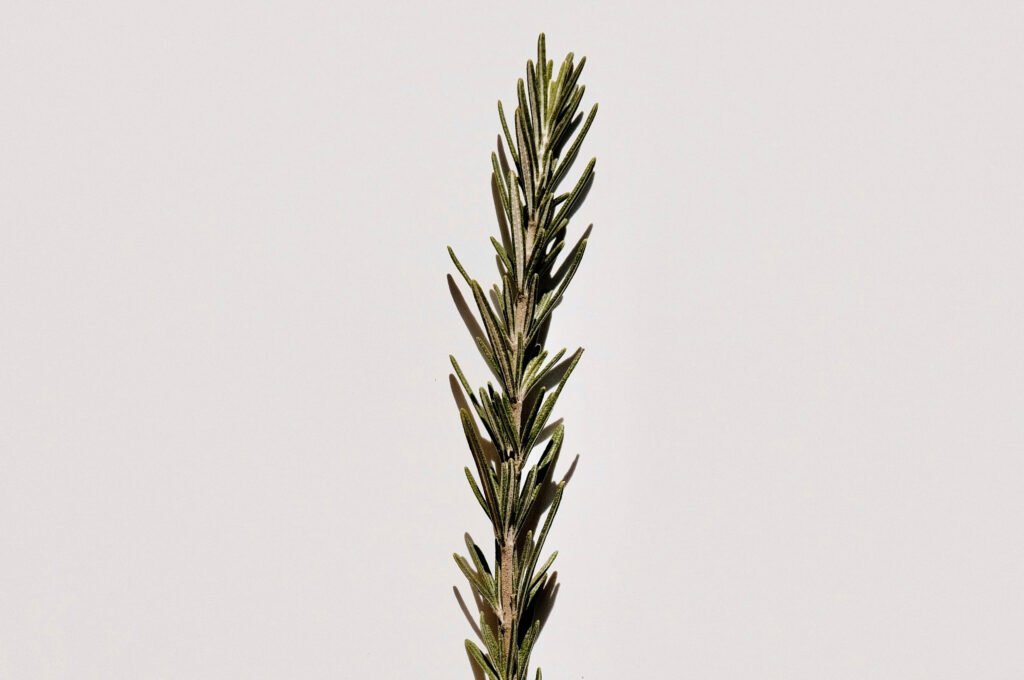
Rosemary oil is an essential oil extracted from the rosemary plant.
Most of us know rosemary as the herb that makes roasted potatoes taste amazing, but it has been used for centuries in traditional wellness practices for a variety of purposes.
More recently, rosemary oil has gained attention for its potential benefits for scalp health and hair growth.
Why Is Everyone Talking About It?
The excitement around rosemary oil really took off after research suggested it may help support hair growth.
One study even found that rosemary oil performed similarly to minoxidil (a common hair growth treatment) over time for certain types of hair loss.
While more research is still needed, these findings sparked a lot of interest among people looking for natural alternatives.
How Might Rosemary Oil Help Hair Growth?
Scientists aren’t completely certain of every mechanism involved, but several theories exist.
It May Support Scalp Circulation
Healthy blood circulation helps deliver oxygen and nutrients to hair follicles.
Some researchers believe rosemary oil may help improve circulation in the scalp, which can support healthier hair growth.
It May Support Hair Follicle Health
Hair follicles are the tiny structures where your hair grows.
Keeping the scalp healthy and reducing inflammation may create a better environment for hair growth.
It May Help Reduce Hair Shedding
Many users report noticing less hair shedding after consistently using rosemary oil for several months.
Patience is important, though.
Hair growth is a marathon, not a sprint.
My Favorite Thing About Rosemary Oil
One reason I like rosemary oil is that it’s simple.
No expensive treatments.
No complicated routines.
No fancy equipment.
It’s something that can easily be incorporated into your weekly self-care routine.
And let’s be honest—most moms can appreciate anything that doesn’t require another hour in their schedule.
How to Use Rosemary Oil Safely
This is important:
Do not apply pure rosemary essential oil directly to your scalp.
Essential oils are highly concentrated and should be diluted first.
Many people mix a few drops of rosemary oil with a carrier oil such as:
- Coconut oil
- Jojoba oil
- Argan oil
- Castor oil
You can then gently massage the mixture into your scalp.
Some people leave it on for 30 minutes before washing their hair, while others leave it overnight.
If you’re trying rosemary oil for the first time, always do a patch test first to make sure your skin tolerates it well.
Consistency Is Everything
One mistake many people make is expecting overnight results.
Unfortunately, hair growth doesn’t work that way.
Most studies and user experiences suggest it may take several months of consistent use before noticeable changes occur.
Think months, not days.
If you’re looking for instant results, rosemary oil may disappoint you.
If you’re willing to be patient, however, it may become a valuable part of your hair care routine.
What Else Supports Healthy Hair?
As much as I love natural remedies, no oil can overcome poor overall health.
Healthy hair starts from within.
Some important factors include:
- Adequate protein intake
- Iron-rich foods
- Hydration
- Sleep
- Stress management
- Overall nutrition
This is especially important for women dealing with postpartum hair loss, hormonal changes, or nutritional deficiencies.
Are There Any Side Effects?
Most people tolerate rosemary oil well when properly diluted.
However, some individuals may experience:
- Scalp irritation
- Redness
- Itching
- Sensitivity
If irritation occurs, discontinue use and consult your healthcare provider or dermatologist.
Is Rosemary Oil Worth Trying?
In my opinion, rosemary oil is one of the more promising natural remedies for supporting hair growth.
It’s relatively affordable, easy to find, simple to use, and backed by more research than many other popular hair trends floating around online.
Will it transform your hair overnight?
Probably not.
Could it help support a healthier scalp and stronger hair over time?
Possibly.
And sometimes those small, consistent habits are what make the biggest difference.
Final Thoughts
If you’re looking for a natural way to support healthier hair growth, rosemary oil may be worth exploring.
While it’s not a miracle cure, it has become popular for good reason and may help support scalp health, circulation, and hair growth when used consistently.
As with most things in beauty and wellness, the key is patience.
Give yourself time.
Give your hair time.
And remember that healthy hair isn’t built in a week—it grows one day at a time.
Have you tried rosemary oil for hair growth? I’d love to hear about your experience in the comments below!
Medical Disclaimer: This article reflects my personal experience and is not intended as medical advice. Please consult your healthcare provider regarding your individual situation. Read Full Disclosures →

Affiliate Links | Sponsored Content